Discover Ireland
NORTHERN IRELAND
Contact information
In case if you would you have any questions or you would like to consider Northern Ireland as your next vocations destination, please fill free to contact Rachel on culture-diversity@ape-eelm.eu
Location
Within the United Kingdom of Great Britain and Northern Ireland (UK), which since 1922, comprises of four constituent countries: England, Scotland and Wales (which collectively make up Great Britain), as well as Northern Ireland (variously described as a country, province or region).
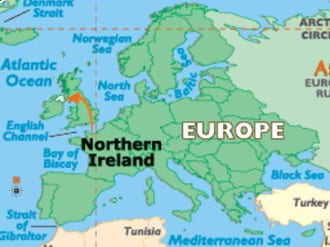
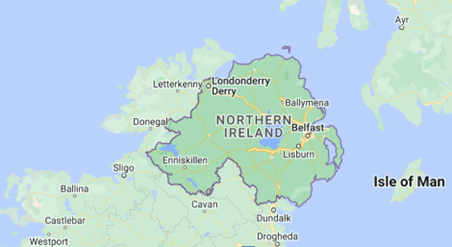
Northern Ireland occupies about one-sixth of the island of Ireland and is separated on the east from Scotland, another part of the United Kingdom, by the narrow North Channel, which is at one point only 13 miles (21 km) wide.[1].
The whole in the middle of the island is Lough Neagh, the largest lough in the United Kingdom, it is a freshwater lake 392 km in size), which supplies 40% of Northern Ireland’s water.
Although politically a separate entity to the Republic of Ireland, Northern Ireland is attached to Ireland by geography and geology. There is a long history of disputes between Anglo-Irish relations and the population of Northern Ireland is still divided as to whether it should remain a part of the United Kingdom or be a united island with the South. Despite the history between the populace made up of Unionists (loyal to the British Crown) and Nationalists (supporting a united Ireland), the country/region is considered one of the friendliest places to visit and live in the UK [2].
Capital city
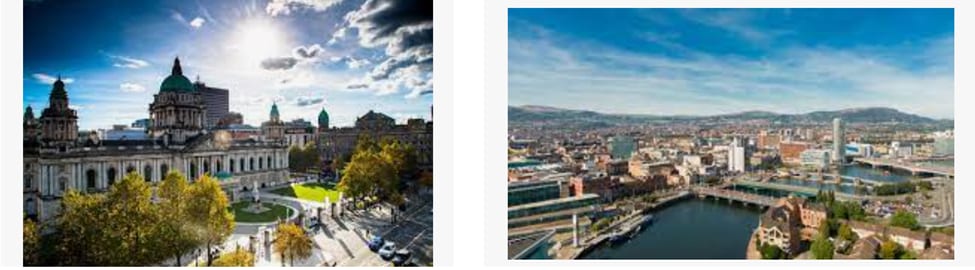
Although there was a settlement on the site since the Bronze Age, the capital city that we know today has its origins in the 17th century. The town of Belfast was established by Sir Arthur Chichester, with the name ‘Belfast’ being an Anglicisation of the Irish Béal Feirste, which roughly translates as ‘the mouth of the sandbar.’
During the Industrial Revolution the city was the biggest in Ireland, surpassing even Dublin and was famous for tobacco, rope-making, linen and shipbuilding. As globalization occurred and the production costs in Northern Ireland could not compete with those from Asia and elsewhere, the city’s economy is now based on the services industry, civil service, film production and tourism.
Belfast is a dynamic city with a beautiful Queen’s University. Most of the population celebrate and enjoy the rich mix of Irish culture with that of the North. Certainly, the pubs and nightlife are a big part of the cities entertainment but it is also famous for its theatrical productions and music halls. The capital of a relatively small country, the beach, the lakes and the mountains are all within easy driving distance.
Flag(s)
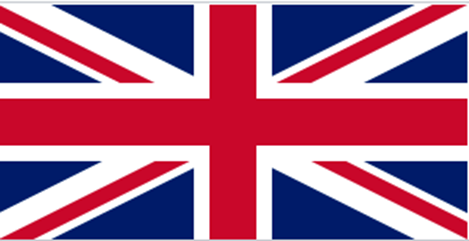
The flag of Northern Ireland is still a divisive issue due to divided opinion as to the past, present and future of Northern Ireland. The only official flag for Northern Ireland is currently the Union Jack, the flag of the United Kingdom; unlike Wales and Scotland there is no official local flag that represents only Northern Ireland. Different communities within the territory identify with different flags with many choosing the Irish tricolour as their flag.
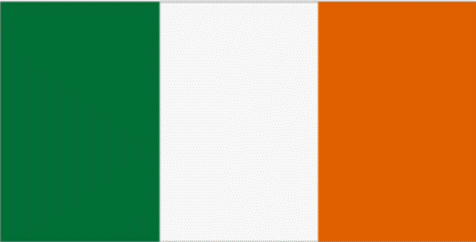
The tricolour has been used by nationalists on both sides of the border as the national flag of the whole island of Ireland since 1916. Whereas, the Ulster Banner (below) was used by the Northern Ireland government from 1953 until the government and parliament were abolished in 1973. Since then, it has had no official status. However, it is still used as the flag of Northern Ireland by both loyalists and unionists and to represent Northern Ireland internationally in some sporting competitions.
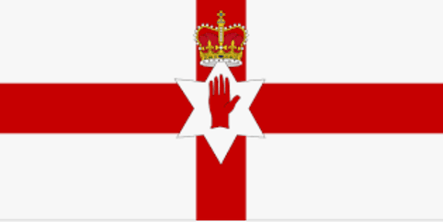
There are calls for a new, neutral flag, with most of the population wanting inclusivity across all walks of life. A new flag was recommended to the Commission on Flags, Identity, Culture and Tradition in December 2021.
Territory
Area of Northern Ireland is about 14,130 km2 . For comparison, the total population of the Lille metropole lives within about 6.000 km2 so there is a large amount of open space and farmland in Northern Ireland not heavily populated.
Population
The Population of Northern Ireland in 2021 was registered as approximately 1.884 million. For comparison, Lille metropole was measured at approximately 1.2 million and England’s population is 55 million.
Climate
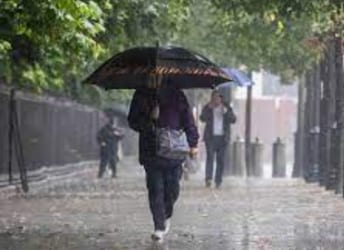
Northern Ireland's climate is oceanic, with quite cold, rainy winters and mild, sometimes rainy summers. Atlantic weather fronts move one after another over the country, resulting in a succession of cloudiness and sunshine, rain showers and subsequent improvements. The weather is variable and changeable throughout the day. The wind is frequent, although it is generally stronger between late autumn and early spring. Rainfall is frequent, even though it is not very abundant, because the bulk of the rains is discharged on the hills of Donegal, in the Republic of Ireland. Rainfall amounts to 860 mm (33.9 inches) per year in Derry, in the north and 940 mm (37 in) in Belfast.
Language
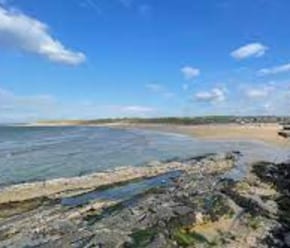
Northern Ireland’s language is English though Gaelic (Irish language) is taught in some schools.
Famous people
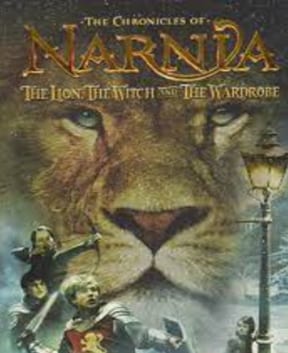
Writers including; CS Lewis, poet Seamus Heaney; and playwright Brian Friel
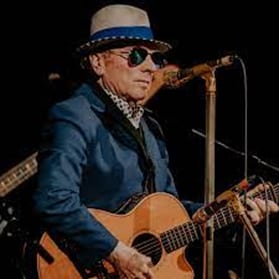
Musicians and Bands: including; Van Morrison; Snow Patrol; Ash; and Three Door Cinema Club

Actors including; Liam Neeson; Kenneth Branagh and Jamie Dornan.
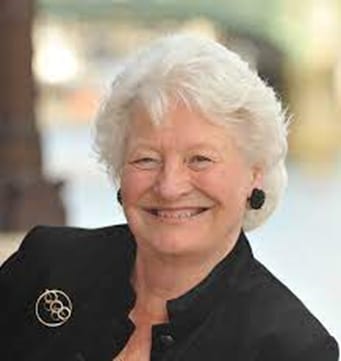
Sports Personalities including; Olympian Dame Mary Peters; golfer Rory McIlroy; the late footballer George Best and motor cyclist Joey Dunlop.
Interesting facts
- Less tax for TV and film production houses has meant TV shows like Game of Thrones were filmed in Northern Ireland.
- During the Troubles, between the 1960s and 1998, ‘peace walls’ were built between Catholic and Protestant neighbourhoods. These were meant to help keep the peace and still exist in some parts of the country today.
- The Ulster dialect is considered to be the closest living version of the Shakespearian English due to the fact that the country has less immigration and is geographically on the periphary of the United Kingdom.
- The Titanic was built in Belfast, Northern Ireland.
- The tallest mountain in Northern Ireland is Slieve Donard, which is around 850m high.
- The longest river in Northern Ireland is the River Bann, which is around 60 miles long.
Interesting places to visit or things to do in Northern Ireland
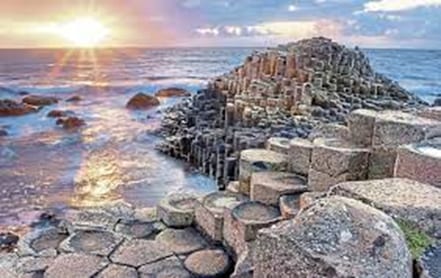
Giants Gauseway
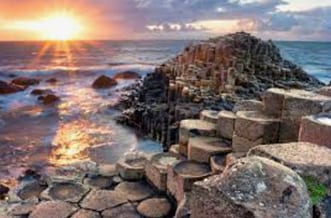
A UNESCO World Heritage site and national nature reserve, this breathtaking and alien landscape is one of Northern Ireland’s most enduring destinations. Legend has it that the giant Fionn Mac Cumhaill (Finn McColl built the Giant's Causeway as a bridge between Ireland and Scotland. The nearby Visitor Centre goes into detail about this legend while also explaining the true history of the stones.
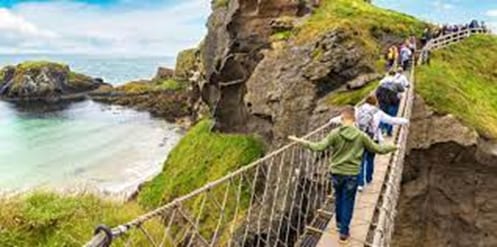
Carrick A Rede
This short bridge, 100ft (30.4m) above the ocean and rocks below, spans the gap between the mainland and a tiny island. Hundreds of thousands of people head there each year to visit the island. Crossing costs a small fee, but it’s more than worth it for the experience and the views from the other side.
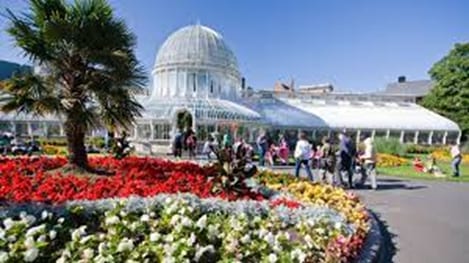
Ulster Museum and neighboring Botanical Gardens
First opened in 1929, the museum’s various levels house exhibitions on the Troubles between Unionists and Nationalists, natural sciences and ancient history, all lead up to the art gallery on the top floor. Exhibits rotate regularly.
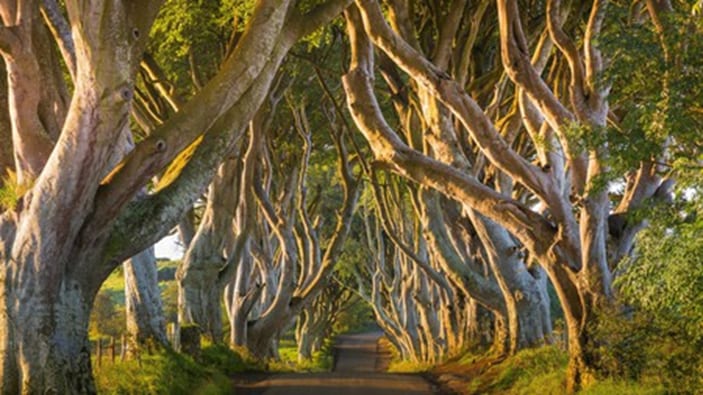
The Dark Hedges
This row of beech trees was featured as the King’s Road in HBO’s Game of Thrones, leading to an increased tourist footfall in the area. Picturesque and brooding, these trees are a perfect stop on any Northern Irish road trip
Titanic Museum
Opened in 2012 for the centenary of the RMS Titanic’s sinking, Titanic Belfast is a striking building in the middle of Belfast's Titanic Quater. With nine different exhibitions covering Belfast’s shipyard boom, the construction of the ship by Harland and Wolff and its untimely demise, Titanic Belfast is absolutely one of Northern Ireland’s most impressive buildings.
The above is just a few of the many to be explored. If you visit, also consider Dunluce Castle, Carrickfergus Castle, Bushmills Distillery and much much more
Popular dishes in Northern Ireland
Ulster Fry, Irish Stew, Champ and traybakes are a few of the traditional dishes of Northern Ireland. Thought the constituent country is more famous for it's adult beverages then cuisine, there are some must-try dishes.
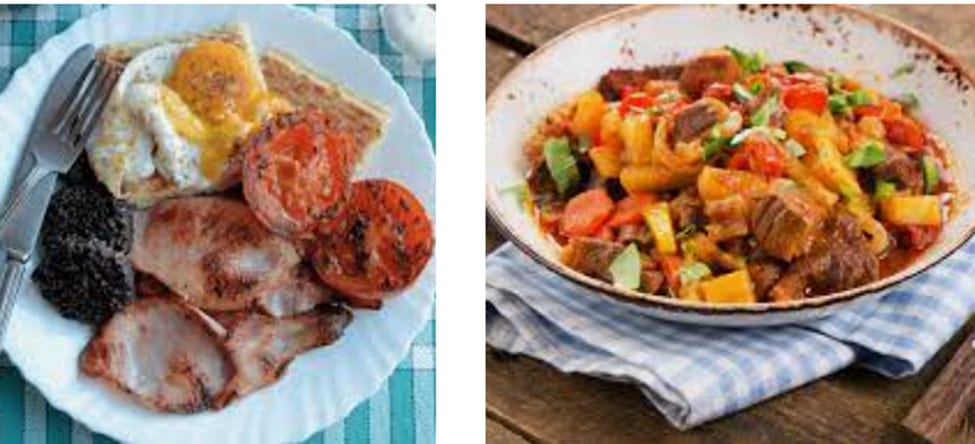
The Ulster Fry is different to other fried breakfasts in that Northern Ireland adds potato bread, soda bread and some add blood pudding. The Irish stew with beef and potatoes is a filling and healthy lunch/dinner.
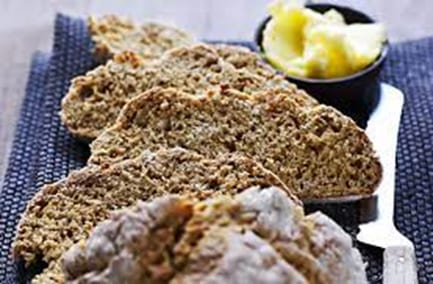
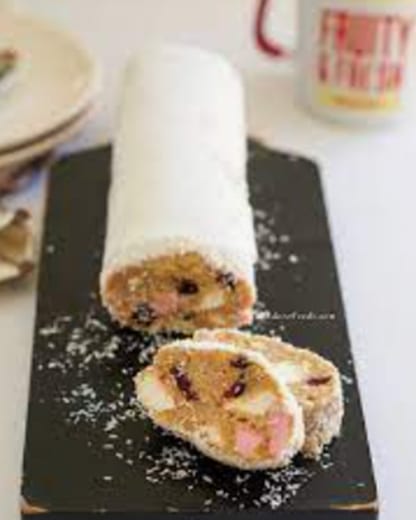
Traditionally, families would have their own wheaten bread recipes and many Northern Irish ladies would like to invite people for tea/coffee at their house with a home. Very hospitable, they would offer homemade cakes, “buns” or traybakes such as fifteens (above right).
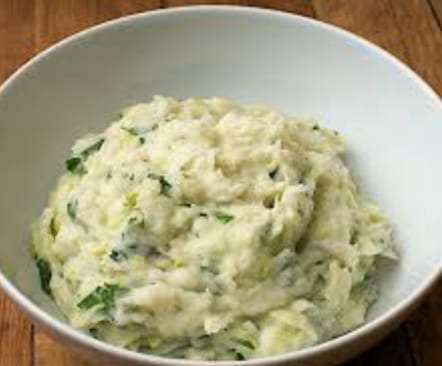
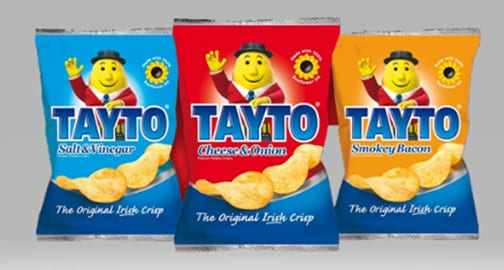
Potatoes are a much-loved part of Northern Irish cuisine, champ is probably the favourite way to have it (boiled potatoes mashed with milk, butter and scallions) though all other varieties are enjoyed including Tayto crisps.
References
[1]- Britannica - https://www.britannica.com/place/Northern-Ireland
[2] - CNN Traveler https://www.cntraveller.com/gallery/friendliest-cities-uk
[3] - The Culture Trip https://theculturetrip.com/europe/united-kingdom/northern-ireland/articles/20-must-visit-attractions-in-northern-ireland/